
5 No Onion No Garlic Dinner Recipes : In many Indian households, the kitchen follows a rhythm that goes beyond mere taste. For cultural, religious, or health reasons, millions of people observe days or even entire lifestyles where onions and garlic are avoided. This practice, often associated with Satvik cooking in Hinduism and followed by Jains and certain communities, is based on the belief that these pungent ingredients can agitate the mind and stir base passions. On specific days like fasting periods, religious festivals, or for those following a strict spiritual path, meals are prepared without these two ubiquitous ingredients.
For anyone accustomed to cooking with onions and garlic as the foundational flavor base, the prospect of creating a delicious dinner without them can seem daunting. How do you build depth? How do you achieve that savory satisfaction? The answer lies in a treasure trove of alternative techniques and ingredients. Ginger, asafoetida (hing), fresh and dried spices, tomatoes, yogurt, coconut, and a host of other flavorful components step in to create dishes that are not just substitutes but are delicious in their own right. This collection of 5 no onion no garlic dinner recipes will open your eyes to the rich and varied world of Satvik cooking. These are meals that are light, wholesome, and deeply flavorful, proving that you can create magic in the kitchen even without these two kitchen staples.
See More : 9 North Indian Dinner Recipes for Beginners
8 Energy Boosting Breakfast Ideas to Start Your Day
The Philosophy of No Onion No Garlic Cooking
Understanding the “why” behind this style of cooking helps in appreciating the “how.” The concept comes from the Gunas, or qualities, in Hindu philosophy. Rajasic foods (like onions and garlic) are believed to be pungent, stimulating, and capable of increasing passion and restlessness. Satvik foods, on the other hand, are pure, fresh, and promote calmness, clarity, and spiritual well-being. A Satvik diet is traditionally vegetarian and excludes not just onions and garlic but also meat, eggs, and sometimes even strong spices like asafoetida is used in moderation.
For the home cook, this means relying on other aromatic ingredients to build flavor.
- Asafoetida (Hing): This is the single most important substitute for the savory, umami quality that onions and garlic provide. A tiny pinch of hing, fried in hot oil or ghee at the beginning of cooking, releases a pungent aroma that mellows into a delightful, garlicky-oniony flavor that permeates the entire dish. It is the magic wand of no-onion-no-garlic cooking.
- Ginger: Fresh ginger takes on an even more prominent role. Its warm, pungent, and slightly sweet flavor adds depth and a gentle heat that is essential in many of these recipes.
- Fresh Spices and Herbs: Without the heavy base of onions, the flavors of whole and ground spices become even more pronounced. Cumin seeds, mustard seeds, curry leaves, green chilies, and fresh coriander become the stars, each contributing its unique note to the symphony.
- Tomatoes and Yogurt: These provide the acidity and richness that onions often contribute to gravies. Tomatoes add a tangy depth, while yogurt lends a creamy, slightly sour complexity.
- Nuts and Seeds: Cashews, peanuts, sesame seeds, and coconut (fresh or dried) are often ground into pastes to add body, richness, and a subtle nutty flavor to gravies, replacing the texture that a cooked onion masala might provide.
The Recipes: 5 Delicious Dinners Without Onion or Garlic
Here are 5 recipes that are completely free of onions and garlic but full of flavor.
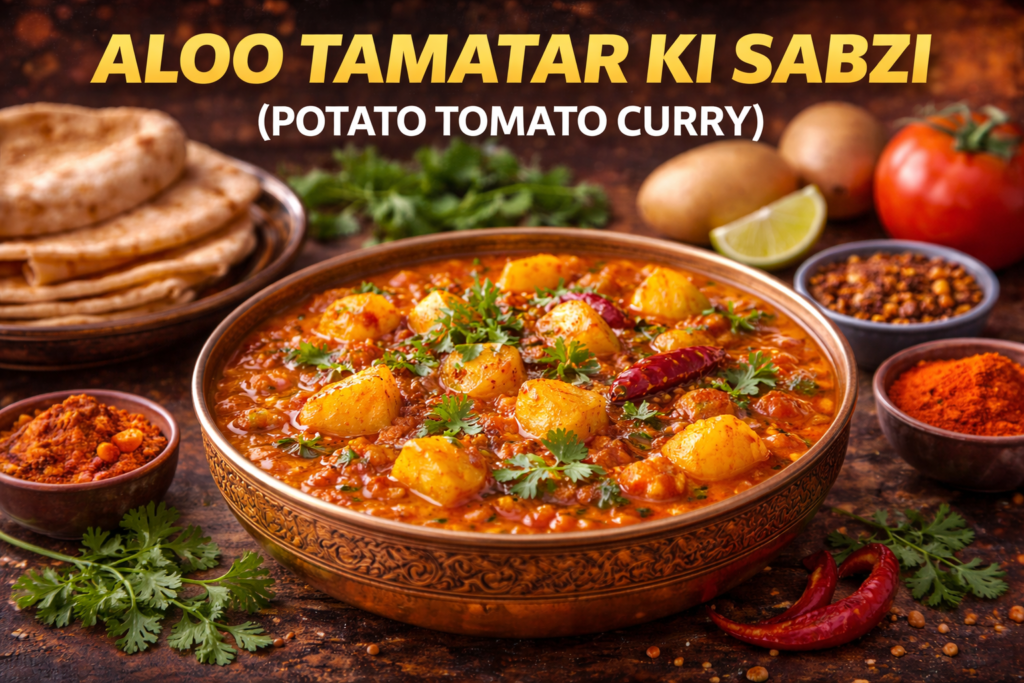
1. Aloo Tamatar Ki Sabzi (Potato Tomato Curry)
This simple, comforting curry is a staple in many no-onion-no-garlic households. The combination of potatoes and tomatoes, flavored with a basic tempering of cumin and hing, creates a light yet satisfying dish that is perfect with rotis or rice.
Why It Works: The hing provides the savory base, while the tomatoes create a tangy gravy. Potatoes make it hearty and filling.
Time: 25 minutes
Ingredients:
- 2 tablespoons oil or ghee
- 1 teaspoon cumin seeds
- A generous pinch of asafoetida (hing)
- 1 teaspoon ginger, grated
- 1-2 green chilies, slit lengthwise
- 2-3 medium tomatoes, finely chopped or pureed
- 1/2 teaspoon turmeric powder
- 1 teaspoon coriander powder
- 1/2 teaspoon red chili powder
- 2 medium potatoes, peeled and cubed
- Salt to taste
- 1.5 cups water
- Fresh coriander, chopped, for garnish
Instructions:
- Heat oil or ghee in a pan over medium heat. Add the cumin seeds and let them sizzle for a few seconds.
- Add the asafoetida (hing) and let it puff up for a second. This is a key step, as frying hing releases its full potential.
- Add the grated ginger and slit green chilies. Sauté for 30 seconds until fragrant.
- Add the chopped tomatoes (or puree). Cook for 4-5 minutes, stirring occasionally, until the tomatoes become soft, pulpy, and the oil starts to separate from the masala.
- Add the turmeric powder, coriander powder, and red chili powder. Stir well and cook for another minute.
- Add the potato cubes and salt. Stir to coat the potatoes with the masala.
- Add the water, mix well, and bring to a boil.
- Reduce the heat to a simmer, cover the pan, and cook for 12-15 minutes, or until the potatoes are tender and the gravy has thickened slightly.
- Garnish with fresh coriander and serve hot with roti, paratha, or steamed rice .
2. Moong Dal (Split Yellow Gram Dal) with Hing Tadka
This is the quintessential Satvik dal. Moong dal is light, easy to digest, and considered the purest of lentils. The tadka, or tempering, relies on hing to provide that savory depth, along with ginger and cumin.
Why It Works: The simplicity of the dal allows the flavors of the fresh ginger and the hing-infused tadka to shine through, creating a bowl of pure comfort.
Time: 25 minutes
Ingredients:
- 1 cup moong dal (split yellow gram), rinsed
- 2.5 cups water
- 1/2 teaspoon turmeric powder
- Salt to taste
For the Tadka:
- 2 tablespoons ghee or oil
- 1 teaspoon cumin seeds
- A generous pinch of asafoetida (hing)
- 1-inch piece of ginger, julienned or finely chopped
- 1-2 green chilies, slit
- 8-10 curry leaves
- 1/2 teaspoon red chili powder (optional)
For Garnish:
- Fresh coriander, chopped
Instructions:
- In a pot, combine the rinsed moong dal, water, and turmeric powder. Bring to a boil over medium-high heat.
- Reduce the heat to a simmer, skim off any foam that rises to the top, and cook for 15-20 minutes, or until the dal is soft and mushy. You can whisk it slightly for a smoother consistency. Add salt to taste.
- While the dal is cooking, prepare the tadka. Heat ghee in a small tadka pan over medium heat.
- Add the cumin seeds and let them sizzle for a few seconds until fragrant.
- Add the asafoetida (hing). It will sizzle and release its aroma immediately.
- Add the julienned ginger, slit green chilies, and curry leaves. Sauté for 30-45 seconds until the ginger is slightly fragrant and the curry leaves are crisp.
- If using, add the red chili powder and immediately turn off the heat to prevent burning.
- Pour the entire tadka (the spiced oil mixture) over the cooked dal. Mix well.
- Garnish with fresh coriander and serve hot with steamed rice or roti .
3. Kaddu Ka Sabzi (Spiced Pumpkin Curry)
Pumpkin, or kaddu, is a beloved vegetable in no-onion-no-garlic cooking. Its natural sweetness pairs beautifully with the earthy warmth of spices, and it cooks very quickly. This dry or semi-dry sabzi is a North Indian favorite, especially during festivals.
Why It Works: The sweetness of the pumpkin is balanced by the heat of green chilies and the aromatic spices, while hing provides the savory undertone.
Time: 20 minutes
Ingredients:
- 500 grams pumpkin (kaddu), peeled and cubed into 1-inch pieces
- 2 tablespoons oil or ghee
- 1 teaspoon cumin seeds
- A generous pinch of asafoetida (hing)
- 1 teaspoon ginger, grated
- 1-2 green chilies, finely chopped
- 1/2 teaspoon turmeric powder
- 1 teaspoon coriander powder
- 1/2 teaspoon red chili powder
- 1/2 teaspoon garam masala
- Salt to taste
- 1 tablespoon fresh coriander, chopped, for garnish
Instructions:
- Heat oil or ghee in a wide pan or kadhai over medium heat. Add the cumin seeds and let them sizzle.
- Add the asafoetida (hing) and let it puff up.
- Add the grated ginger and chopped green chilies. Sauté for 30 seconds.
- Add the turmeric, coriander powder, and red chili powder. Stir quickly to combine with the oil.
- Add the cubed pumpkin and salt. Stir gently to coat the pumpkin pieces with the spice mixture.
- Reduce the heat to low, cover the pan, and cook for 10-12 minutes, stirring occasionally. The pumpkin will release its own moisture, so no water is needed. Cook until the pumpkin is tender but still holds its shape.
- Remove the lid, increase the heat slightly, and cook for another 2-3 minutes to evaporate any excess moisture and allow the pumpkin to get slightly caramelized edges.
- Sprinkle with garam masala and garnish with fresh coriander. Serve hot with rotis or as a side dish with dal and rice .
4. Paneer Butter Masala (No Onion No Garlic Version)
Yes, you can enjoy this creamy, indulgent restaurant favorite without onions or garlic! This version uses a paste of tomatoes, cashews, and a few secret ingredients to create a gravy that is every bit as rich and flavorful as the original.
Why It Works: The cashew paste provides the creamy body that onions normally contribute, while a generous amount of butter, hing, and spices build a deep, savory flavor profile.
Time: 25 minutes
Ingredients:
- 200 grams paneer, cubed
- 2 tablespoons butter
- 1 tablespoon oil
- 1 teaspoon cumin seeds
- A generous pinch of asafoetida (hing)
- 1 teaspoon ginger paste
- 1-2 green chilies, slit (optional)
- 3 large tomatoes, pureed
- 8-10 cashew nuts, soaked in warm water for 15 minutes and ground to a smooth paste
- 1/2 teaspoon turmeric powder
- 1 teaspoon red chili powder
- 1 teaspoon dried fenugreek leaves (kasuri methi)
- 1/2 teaspoon garam masala
- Salt to taste
- 1/4 cup fresh cream
- 1 teaspoon sugar (optional)
- Fresh coriander, for garnish
Instructions:
- Heat butter and oil in a pan over medium heat. Add the cumin seeds and let them sizzle.
- Add the asafoetida (hing), ginger paste, and green chilies (if using). Sauté for a minute until fragrant.
- Add the tomato puree. Cook for 5-7 minutes, stirring frequently, until the puree thickens significantly and the oil starts to separate from the masala. This step is crucial for a good flavor.
- Add the turmeric, red chili powder, and salt. Mix well and cook for another minute.
- Add the cashew paste and 1/2 cup of water. Stir well to combine. Bring the gravy to a gentle simmer and cook for 3-4 minutes.
- Crush the kasuri methi between your palms and add it to the gravy along with the garam masala and sugar (if using). Stir.
- Gently add the paneer cubes and stir. Cook for 2-3 minutes.
- Stir in the fresh cream. Simmer for another minute.
- Garnish with fresh coriander and serve hot with naan, roti, or rice .
5. Vegetable Pulao (Fragrant One-Pot Rice)
This elegant and fragrant rice dish is a complete meal in itself. The rice is cooked with whole spices, vegetables, and a touch of ginger, creating a light and flavorful pulao that is perfect for a no-onion-no-garlic dinner.
Why It Works: The whole spices—cumin, cardamom, cinnamon, cloves—infuse the rice with their aromatic oils, while ginger adds warmth. The vegetables provide color, texture, and nutrition.
Time: 30 minutes
Ingredients:
- 1 cup basmati rice, soaked for 15 minutes
- 1 cup mixed vegetables (carrots, peas, beans, cauliflower florets)
- 2 tablespoons ghee or oil
- 1 teaspoon cumin seeds
- A generous pinch of asafoetida (hing)
- 1 bay leaf
- 2-3 green cardamoms
- 1-inch cinnamon stick
- 2-3 cloves
- 1 teaspoon ginger, grated
- 1-2 green chilies, slit (optional)
- Salt to taste
- 2 cups water
Instructions:
- Drain the soaked rice and set aside.
- Heat ghee in a pressure cooker or a deep pan with a tight-fitting lid. Add the cumin seeds, asafoetida, bay leaf, cardamoms, cinnamon, and cloves. Sauté for a few seconds until the spices become fragrant.
- Add the grated ginger and slit green chilies (if using). Sauté for another 30 seconds.
- Add the mixed vegetables and sauté for 2 minutes.
- Add the drained rice and salt. Gently stir to coat the rice and vegetables with the ghee and spices.
- Pour in 2 cups of water. Bring to a boil.
- If using a pressure cooker, close the lid and cook for 1 whistle. If using a pan, cover with a tight lid, reduce the heat to the lowest setting, and let it simmer for 15 minutes, or until the rice is cooked and all the water is absorbed.
- Turn off the heat and let it sit, covered, for 5-10 minutes.
- Gently fluff the pulao with a fork before serving. Serve hot with raita (yogurt with cucumber or mint) .
Tips for No Onion No Garlic Cooking Success
- Hing is Your Hero: Invest in a good quality asafoetida (hing). It is the cornerstone of this style of cooking. Remember, a little goes a long way. Always fry it in hot oil or ghee for a few seconds to activate its flavor.
- Don’t Skimp on Ginger: Use fresh ginger generously. Julienne it for tadkas, grate it for curries, or add thin slices to pulao. Its warm pungency is essential.
- Use Good Quality Dairy: Ghee, butter, and fresh cream add a richness and depth that help compensate for the missing savory notes of onions and garlic.
- Bloom Your Spices: Always cook your ground spices in the hot oil or ghee for a minute or two before adding any liquid. This “blooming” process releases their essential oils and dramatically intensifies their flavor.
- Leverage Souring Agents: Tomatoes, yogurt, and even a squeeze of lemon juice at the end can add the necessary acidity and complexity to a dish, creating a well-rounded flavor profile.
Conclusion ( 5 No Onion No Garlic Dinner Recipes )
Cooking without onions and garlic is not a limitation; it is an invitation to explore a different, equally delicious dimension of Indian cuisine. These 5 recipes demonstrate that with a few simple techniques and a thoughtful approach to spices, you can create meals that are light, pure, and bursting with flavor. From the comforting simplicity of Moong Dal with Hing Tadka to the indulgent richness of Paneer Butter Masala, each dish stands proudly on its own, a testament to the ingenuity of Satvik cooking.
Whether you observe no-onion-no-garlic days for religious reasons, have dietary restrictions, or are simply curious to try something new, these recipes offer a wonderful starting point. They prove that the heart of Indian cooking lies not in any single ingredient, but in the thoughtful combination of spices, the balance of flavors, and the love with which a meal is prepared. So, embrace the magic of hing, let ginger be your guide, and discover the pure, satisfying pleasure of a no-onion-no-garlic dinner.