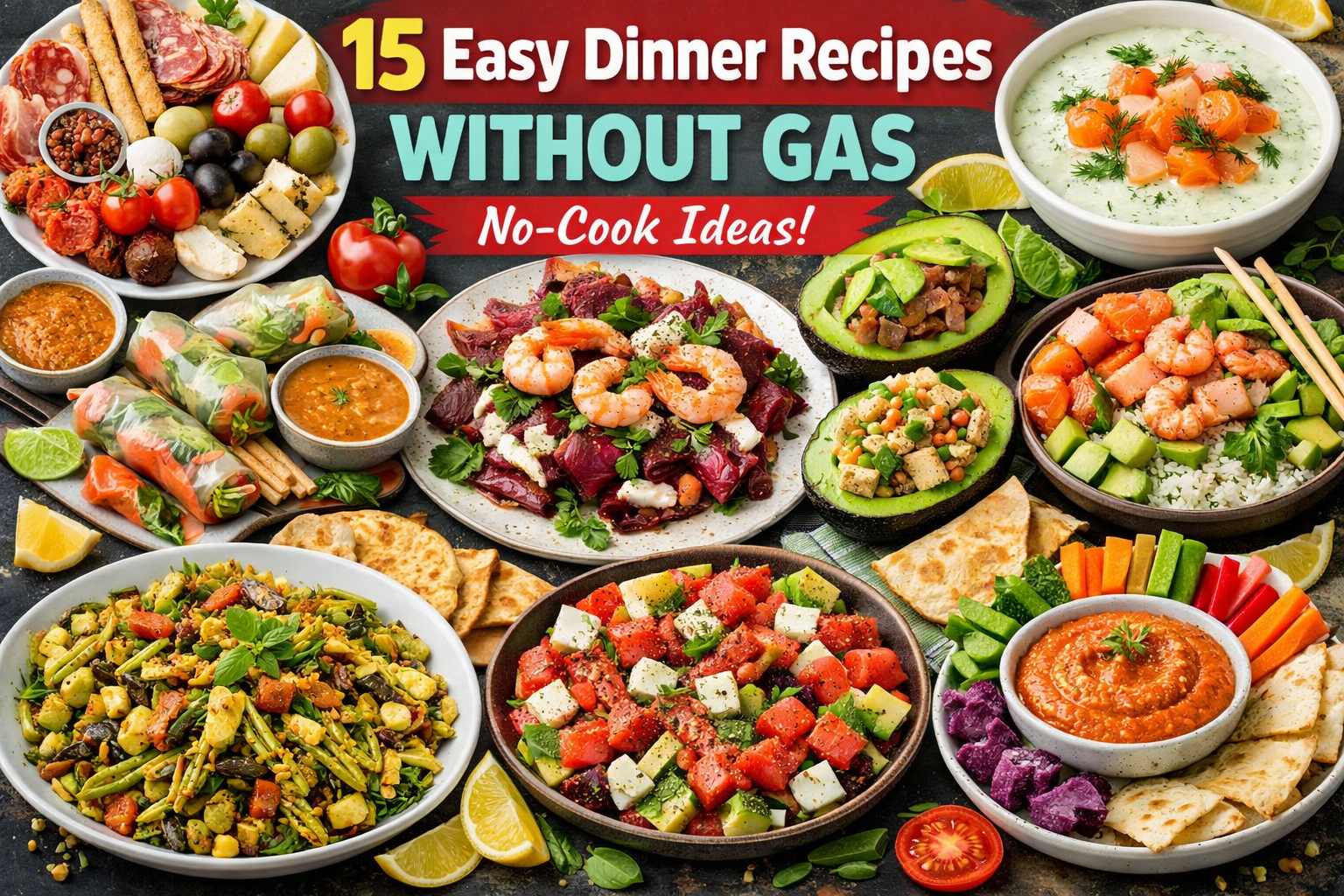
15 Easy Dinner Recipes Without Gas (No-Cook Ideas) : There are evenings when the thought of turning on the stove feels like a monumental task. Perhaps the summer heat is oppressive, making a hot meal unappealing. Maybe you’re dealing with a power outage, a broken gas connection, or you simply live in a space without a proper kitchen. Whatever the reason, the idea that a satisfying, wholesome dinner requires flames is a myth.
Cooking without gas isn’t about compromise; it’s about creativity. It’s about letting fresh ingredients shine, harnessing the power of marinades, and rediscovering the art of the composed plate. These fifteen recipes are designed to be complete dinners—nutritious, flavorful, and surprisingly filling. They rely on electric appliances like blenders and microwaves where necessary, but the core of each dish requires no gas flame. Let’s explore a world of no-cook culinary possibility.
See More : 12 Healthy Breakfast Ideas for Busy Weekdays
8 Instant Breakfast Recipes with Just 5 Ingredients
10 Tasty Bread Breakfast Recipes for Quick Mornings
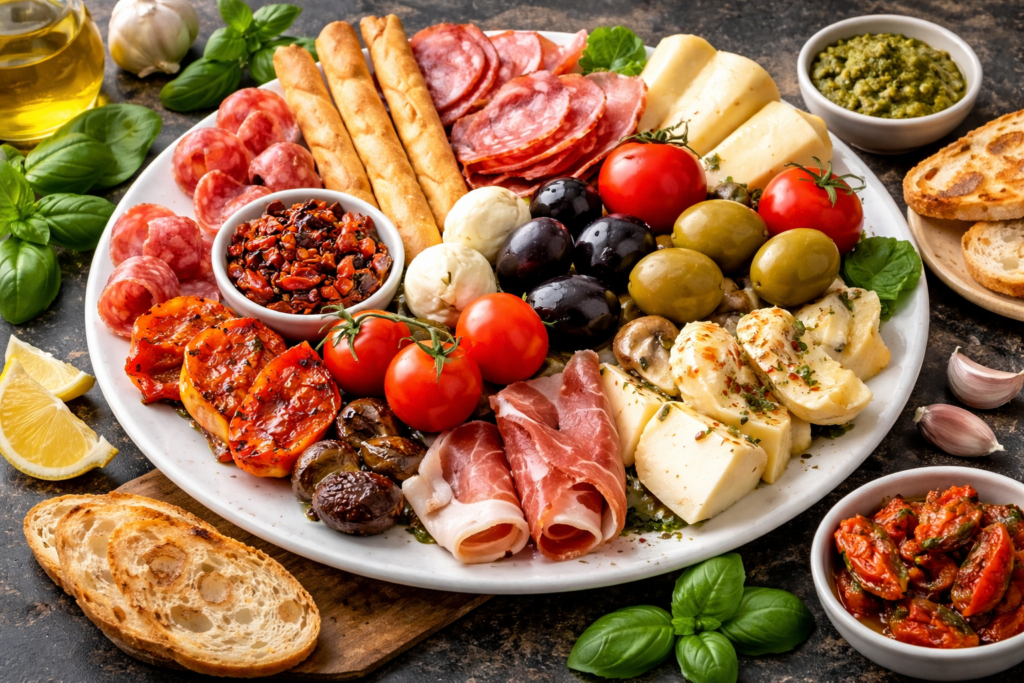
1. The Classic Italian Antipasto Platter
Sometimes, the most elegant dinner is the one that requires no cooking at all. An antipasto platter is the ultimate no-gas meal because it’s less a recipe and more an artful arrangement. It transforms high-quality store-bought ingredients into a feast for the eyes and the palate.
Start with a large wooden board or a platter. The foundation is a selection of cured meats: think thin ribbons of prosciutto di Parma, spicy soppressata, and perhaps some coppa. For cheeses, aim for a textural variety. A ball of fresh burrata provides creamy richness, a wedge of sharp Parmigiano-Reggiano offers salty crunch, and a log of tangy goat cheese adds a soft, spreadable element. The produce section becomes your pantry. Include marinated artichoke hearts, sun-dried tomatoes packed in oil, and a handful of Castelvetrano olives for their buttery, mild flavor. Add crunch with raw fennel bulbs, thinly sliced, and peppery arugula tossed lightly with lemon juice.
To make it a complete dinner, you need substance. Serve this with crusty bread or, for a gluten-free option, high-quality crackers. The beauty is in the balance—each bite should be a different combination of salty, creamy, tangy, and crisp. No heat, no fuss, just a stunning meal that feels celebratory.
2. Zesty Ceviche with Avocado and Sweet Potato
Ceviche is the quintessential no-cook dinner, relying on the chemical reaction of citrus acid to “cook” the fish. It’s fresh, vibrant, and surprisingly hearty when paired with the right accompaniments. For this version, we’ll use sustainable, sushi-grade white fish like sea bass, halibut, or snapper.
Dice one pound of fish into half-inch cubes. In a glass or ceramic bowl (avoid metal, which can react with the acid), combine the fish with the juice of ten to twelve limes and two lemons. Add one finely diced red onion, a minced jalapeño (seeds removed for less heat), and a generous pinch of salt. Let this marinate in the refrigerator for at least 30 minutes, or up to four hours. You’ll watch the fish transform from translucent to opaque as it “cooks.”
While the fish is marinating, prepare your sides. The classic Peruvian accompaniment is camote—steamed sweet potato. Since we aren’t using gas, you can microwave whole sweet potatoes until fork-tender, then let them cool, peel, and slice into rounds. Alternatively, for an entirely raw version, thinly slice raw sweet potato with a mandoline; its crunch provides a fascinating contrast. When ready to serve, dice two ripe avocados and gently fold them into the ceviche just before plating. Serve in chilled bowls, topped with chopped cilantro and a side of the sweet potato rounds or crispy corn nuts (canchita) for texture.
3. Chilled Cucumber and Yogurt Soup with Smoked Salmon
A cold soup can be a revelation—a cool, silky bowl of flavor that requires no stove and is deeply satisfying. This recipe is a Mediterranean-inspired take on a classic tzatziki, elevated to a dinner-worthy dish with the addition of luxurious smoked salmon.
In a high-powered blender, combine two large English cucumbers (peeled and roughly chopped), three cups of full-fat Greek yogurt, two cloves of garlic, the juice of one lemon, a handful of fresh dill, and a generous amount of salt and white pepper. Blend until completely smooth and creamy. If the soup is too thick, add a little cold water or ice cubes while blending to achieve a silky, pourable consistency. Chill the soup in the refrigerator for at least an hour to allow the flavors to meld.
The key to making this a dinner is the garnish. Ladle the cold soup into wide, shallow bowls. Arrange thin slices of high-quality smoked salmon in a rosette in the center. Top with a tangle of thinly sliced radishes, a sprinkle of chopped chives, a drizzle of extra virgin olive oil, and a few cracks of black pepper. Serve with a side of toasted pita bread or bagel chips (which can be crisped in a toaster or oven, not on the gas stove). It’s a meal that feels both light and indulgent.
4. No-Cook Sun-Dried Tomato and Walnut Pesto Pasta
Pasta is a go-to dinner, but boiling water requires gas. The solution is to use the pasta as a canvas for a sauce that requires no heat at all. This recipe uses the microwave to cook the pasta—a perfectly valid, gas-free method—and pairs it with a vibrant, no-cook pesto.
To make the pesto without a stove, combine in a food processor: one cup of sun-dried tomatoes (packed in oil, drained, oil reserved), one cup of raw walnuts, two cloves of garlic, a large handful of fresh basil leaves, a half-cup of grated Pecorino Romano cheese, and a pinch of red pepper flakes. Pulse until a coarse paste forms. With the motor running, drizzle in the reserved oil from the sun-dried tomatoes plus extra virgin olive oil until you have a thick, rustic sauce. Season with salt and pepper.
For the pasta, place your dried pasta of choice (like penne or fusilli) in a large, microwave-safe bowl. Cover completely with water, add a generous pinch of salt, and microwave on high. The time will vary based on your microwave’s wattage and the amount of pasta, typically around 8-12 minutes. Stir halfway through and check for doneness. Drain the pasta, reserving a small cup of the starchy water. Toss the hot pasta immediately with the no-cook pesto, adding a splash of the reserved water to help emulsify the sauce. The residual heat from the pasta will gently warm the pesto, releasing its aromatics. Serve with extra cheese and fresh basil.
5. Vietnamese-Inspired Rice Paper Rolls with Peanut Dipping Sauce
These fresh rolls are a project, but a rewarding one. They are cool, crunchy, and packed with flavor, making them a perfect gas-free dinner. The beauty of rice paper rolls is their versatility; you can fill them with whatever fresh ingredients you have on hand.
Prepare your fillings first. You’ll need cooked protein: thinly sliced poached chicken or shrimp (which can be purchased pre-cooked), or for a vegetarian version, extra-firm tofu. To prepare the tofu without a stove, slice it and press it between paper towels to remove excess water, then marinate it in a mixture of soy sauce, rice vinegar, and sesame oil. The rest of the ingredients are raw: matchstick carrots, thinly sliced cucumber, fresh mango strips, butter lettuce leaves, mint, cilantro, and rice vermicelli noodles. To prepare the noodles without gas, place them in a heatproof bowl, cover with boiling water from an electric kettle, and let them sit for 5-7 minutes until tender, then drain and rinse with cold water.
Now, assembly. Fill a wide, shallow dish with warm water. Dip one rice paper wrapper into the water for about 10-15 seconds, until just pliable. Lay it flat on a clean, damp kitchen towel. Layer lettuce, a few noodles, your protein, herbs, and veggies in the lower third of the wrapper. Fold the sides inward, then roll tightly from the bottom. Serve with a simple dipping sauce: combine creamy peanut butter, hoisin sauce, lime juice, and a little warm water to thin it out. These rolls are a fun, interactive dinner that requires no heat and delivers immense freshness.
6. Smoked Mackerel and Beetroot Salad with Horseradish Cream
This salad is a powerhouse of flavor and requires absolutely no cooking. It’s substantial enough to serve as a main course, thanks to the richness of the smoked fish and the earthiness of the beets. The key is using pre-cooked, vacuum-sealed beets, which are a fantastic pantry staple for no-cook meals.
Start with the dressing. In a small bowl, whisk together three tablespoons of crème fraîche or sour cream, one tablespoon of prepared horseradish (or more to taste), the juice of half a lemon, and a pinch of salt. This creamy, pungent sauce will cut through the richness of the fish. For the salad base, thinly slice two large pre-cooked beets. Arrange them on a platter with a handful of peppery arugula or watercress. Flake the smoked mackerel fillets (ensure they are the peppered or plain variety) into large, appealing chunks and scatter them over the beets.
To add crunch and body, incorporate thinly sliced Granny Smith apple and a sprinkle of toasted pumpkin seeds. You can toast seeds in a pan on an induction cooktop, but if you are completely gas-free, you can also buy them pre-toasted or simply use raw—they still provide a nice texture. Drizzle the horseradish cream over the top and finish with a final crack of black pepper and a few sprigs of fresh dill. This salad is a sophisticated, protein-packed dinner that comes together in minutes.
7. Mediterranean Chickpea and Tuna Salad Stuffed Avocados
This is a no-cook meal that is as satisfying as it is simple. It combines pantry staples with fresh produce to create a high-protein, heart-healthy dinner that requires zero heat. Canned tuna and chickpeas form a substantial base, while fresh herbs and lemon keep it bright.
In a mixing bowl, combine one can of high-quality tuna packed in olive oil (undrained for extra flavor), one can of chickpeas (rinsed and drained), a finely chopped shallot, a handful of chopped fresh parsley, a tablespoon of capers, and the juice of one lemon. Season with salt and pepper. The key to this mixture is to not over-mash it; you want the chickpeas to remain whole and the tuna in nice flakes for varied texture.
For the serving vessel, select four large, ripe avocados. Cut them in half and remove the pits. Using a spoon, gently scoop out a bit more flesh from the cavity to create a larger well. Mash this removed avocado with a little lime juice and salt to prevent browning, and stir it back into the tuna-chickpea mixture. This ensures no waste and adds extra creaminess. Spoon the mixture generously into the avocado halves. Garnish with a sprinkle of smoked paprika or sumac for a tangy, smoky finish. Serve with a side of tortilla chips or crisp flatbread for scooping. It’s a deconstructed, no-cook take on a classic tuna salad that feels fresh and modern.
8. Gazpacho Andalusia with Garlic Shrimp (Microwave)
Traditional gazpacho is a cold, raw vegetable soup from Spain, and it’s a perfect gas-free meal. To make it a complete dinner, we’ll pair it with garlic shrimp cooked in the microwave, which takes only a few minutes and adds a warm, savory element.
For the gazpacho, combine in a blender: 2 pounds of ripe tomatoes (cored and chopped), one cucumber (peeled and seeded), one red bell pepper, one clove of garlic, a small piece of day-old bread (soaked in water to soften), a quarter-cup of sherry vinegar, and a half-cup of extra virgin olive oil. Blend until completely smooth. Season generously with salt. This soup needs time to chill and meld, so refrigerate for at least two hours.
For the shrimp, use a microwave-safe dish. Combine half a pound of peeled, deveined shrimp with two tablespoons of olive oil, three minced garlic cloves, a pinch of red pepper flakes, and a splash of dry sherry or lemon juice. Cover the dish and microwave on high in 30-second intervals, stirring in between, until the shrimp are pink and opaque—typically about 2 minutes total. Be careful not to overcook. To serve, ladle the cold gazpacho into bowls. Top with the warm, garlicky shrimp and a drizzle of the oil from the dish. Garnish with finely diced cucumber and a sprinkle of fresh chives. The contrast between the cold, tangy soup and the warm, aromatic shrimp is simply sublime.
9. Deconstructed Niçoise Salad Platter
A classic Salade Niçoise is a composed salad that traditionally involves cooking green beans and potatoes. For this gas-free version, we deconstruct it and rely on high-quality canned or jarred alternatives and a microwave for the eggs.
The star of the show is the tuna. Use high-quality oil-packed tuna, preferably Ventresca or another premium variety, which is tender and flavorful. For the base, arrange a bed of butter lettuce on a large platter. Artfully arrange the following ingredients in piles: halved cherry tomatoes, Niçoise olives, thinly sliced radishes, and capers. Instead of boiled potatoes, use thinly sliced, raw fennel bulb for a similar texture with a fresh, anise-like crunch. For the green beans, you have two options: thinly shave raw green beans lengthwise with a vegetable peeler for a salad-like crunch, or microwave fresh green beans with a tablespoon of water for 3 minutes until crisp-tender, then plunge into ice water.
The eggs are the one element that typically requires boiling. However, you can make perfect “boiled” eggs in the microwave. Use an egg cooker designed for microwave use, or carefully poach them. The simplest method is to beat two eggs in a microwave-safe bowl, cook in short bursts, and create a fluffy omelet that you can slice and add to the salad. For the dressing, whisk together olive oil, red wine vinegar, Dijon mustard, minced shallot, and fresh tarragon. Drizzle over the platter just before serving, allowing everyone to compose their own perfect bite.
10. Korean-Inspired Lettuce Wraps (Ssäm)
Lettuce wraps are a fantastic interactive dinner that relies on bold, no-cook sauces and pre-cooked proteins. The concept is simple: crisp lettuce leaves act as a vessel for flavorful fillings. Since we aren’t using a gas stove to cook meat, we’ll use a combination of pre-cooked, high-quality ingredients.
For the protein, you have excellent options. Look for pre-cooked bulgogi-style beef at a Korean grocery store, or use shredded rotisserie chicken. For a vegetarian version, purchase pre-marinated and baked tofu, which you can crumble or slice. The magic is in the sauce: ssämjang. This is a thick, spicy paste made by combining doenjang (Korean soybean paste) with gochujang (Korean red pepper paste), sesame oil, minced garlic, and chopped scallions. It’s intensely savory and requires no cooking.
Prepare your fillings. You’ll need a head of Boston or red leaf lettuce, washed and separated into cups. Set out small bowls of steamed white rice (made in a rice cooker or microwave), the ssämjang sauce, kimchi (for fermented tang), thinly sliced cucumbers, and pickled radish (which can be found in jars at Asian markets). Each person takes a lettuce leaf, spreads a little sauce, adds a spoonful of rice, their choice of protein, and a topping of kimchi and veggies. It’s a balanced meal with protein, carbs, and plenty of vegetables, all built on no-cook components and assembly.
11. Cold Soba Noodle Salad with Sesame Ginger Dressing
Soba noodles are made from buckwheat and have a wonderful nutty flavor. They are traditionally served cold with a dipping sauce (zaru soba), but for a heartier dinner, we can turn them into a vibrant, no-cook salad. Like the pasta dish, we’ll use an electric kettle or microwave to prepare the noodles.
First, prepare the dressing. In a jar, combine ¼ cup of soy sauce, 2 tablespoons of rice vinegar, 1 tablespoon of toasted sesame oil, 1 tablespoon of maple syrup or honey, a teaspoon of grated fresh ginger, and a minced garlic clove. Shake well. This dressing is punchy, savory, and sweet all at once.
For the noodles, cook a bundle of dried soba according to package instructions—but using boiling water from an electric kettle. Place the noodles in a heatproof bowl, pour the boiling water over them, and let them sit for 4-5 minutes, or until tender. Drain immediately and rinse thoroughly under cold running water. This rinsing step is crucial; it stops the cooking and washes away excess starch, ensuring the noodles stay separate and have a pleasing, firm texture.
Toss the cold soba noodles with the dressing, then add a mountain of fresh vegetables: shredded carrots, thinly sliced snap peas, julienned bell peppers, and chopped scallions. Top with edamame (which can be purchased shelled and thawed from frozen) and a generous sprinkle of toasted sesame seeds. For protein, add strips of smoked tofu or pre-cooked, shredded chicken. Serve cold or at room temperature for a refreshing, satisfying meal.
12. Watermelon, Feta, and Mint Salad with Crispy Prosciutto
This salad is a classic summer combination, but it’s often relegated to a side dish. By adding a salty, crunchy element and making the portions generous, it transforms into a light, refreshing main course. The one element that might typically be cooked is the prosciutto, but we can make it “crispy” without gas by using a microwave or simply buying pre-cooked, crispy bacon bits.
Start with a base of arugula, which adds a peppery bitterness that balances the sweetness of the watermelon. Cube a seedless watermelon into large, bite-sized chunks. Arrange the arugula and watermelon on a platter. Crumble a block of high-quality feta cheese over the top. Scatter a handful of fresh mint leaves, torn if large. For the “crispy” element, lay thin slices of prosciutto on a paper towel-lined plate and microwave in 30-second intervals until they become crisp and brittle—this usually takes about 1-2 minutes total. Let them cool, then crumble over the salad.
For the dressing, whisk together extra virgin olive oil, the juice of one lime, a touch of honey, and a pinch of salt. Drizzle over the salad just before serving. To add a bit more substance, you could also include toasted pine nuts or pumpkin seeds. The combination of sweet, salty, creamy, and crisp makes this a dinner that feels both indulgent and virtuous.
13. Black Bean and Corn Salsa Tacos
Tacos are a fantastic no-gas dinner because the fillings can be entirely fresh or pantry-based, and the shells—whether corn or flour—can be warmed in a microwave or toaster oven. This recipe focuses on a vibrant, chunky salsa that serves as the hearty filling.
In a large bowl, combine one can of black beans (rinsed and drained), one cup of thawed frozen corn (or canned corn), one finely diced red bell pepper, half a finely diced red onion, a handful of chopped cilantro, and the juice of two limes. For the dressing, add a teaspoon of ground cumin, a pinch of chili powder, salt, and a generous glug of olive oil. Let this mixture sit for 15-20 minutes to allow the flavors to meld. The acid from the lime juice will slightly “cook” the onions, mellowing their bite.
To make this a complete meal, serve with warm corn tortillas. You can warm them in a microwave by stacking them between damp paper towels for about 30 seconds. Set out the black bean mixture, along with a variety of toppings: sliced avocado, crumbled cotija cheese, pickled jalapeños, and a dollop of sour cream or crema. These tacos are hearty, thanks to the protein and fiber from the beans, and they come together entirely without a stovetop. It’s a deconstructed taco bar that everyone can customize to their liking.
14. Salmon and Avocado Poke Bowl ( 15 Easy Dinner Recipes Without Gas (No-Cook Ideas) )
Poke bowls have become popular for good reason: they are the ultimate no-cook meal, allowing for endless customization. The foundation is sushi-grade fish, but the real star is the variety of textures and flavors you can pile into one bowl.
Start with the base. You can use steamed white or brown rice, prepared in a rice cooker or microwave, or for a lighter option, use mixed greens or spiralized zucchini. For the protein, cube one pound of sushi-grade salmon (or ahi tuna) into bite-sized pieces. Toss it gently in a simple marinade: soy sauce, sesame oil, a little rice vinegar, and a sprinkle of sesame seeds. Let it sit while you prepare the other ingredients.
The beauty of the poke bowl is in the array of toppings. Prepare small piles of: thinly sliced cucumber, edamame (thawed if frozen), pickled ginger, diced mango, sliced avocado, and chopped scallions. For a bit of crunch, add fried onions or crispy seaweed snacks, crumbled. Once your base is in the bowl, arrange the marinated salmon and all the toppings artfully around it. Drizzle with a bit more soy sauce, a spicy mayo (mix mayonnaise with sriracha), and a final sprinkle of furikake—a Japanese seasoning blend of seaweed, sesame seeds, and salt. This bowl is a feast for the senses and requires absolutely no cooking.
15. Roasted Red Pepper and White Bean Dip with Crudités and Flatbread
Sometimes, the best dinner is a simple, rustic spread of dippers and a rich, creamy dip. This meal turns the concept of “appetizers” into a main event, focusing on a dip that is so flavorful and substantial it can stand as the centerpiece.
The dip is made in a food processor. Combine one jar of roasted red peppers (drained), one can of cannellini beans (rinsed and drained), two cloves of garlic, the juice of half a lemon, a tablespoon of sherry vinegar, a teaspoon of smoked paprika, and a quarter-cup of olive oil. Blend until smooth and creamy. Season with salt and pepper to taste. The smoked paprika and roasted peppers give the dip a deep, savory, almost meaty flavor, while the beans provide protein and a creamy texture.
To make this a complete dinner, focus on the variety of dippers. Create a large platter with the dip in the center. Surround it with an assortment of fresh, colorful crudités: rainbow carrots, cucumber rounds, bell pepper strips, and sugar snap peas. Add substance with high-quality flatbreads or pita, which can be warmed in a microwave or toaster if desired. Include some marinated olives and a few slices of Manchego cheese for added richness. This meal is about grazing and enjoying a variety of flavors and textures. It’s simple, elegant, and proves that dinner doesn’t need a stove to be satisfying.
From the vibrant acidity of ceviche to the hearty comfort of a white bean dip, these fifteen recipes demonstrate the incredible potential of no-gas cooking. They rely on fresh ingredients, clever techniques, and a willingness to think differently about meal preparation. Whether you’re facing a temporary inconvenience or simply seeking a lighter, cooler way to eat, these dinners offer a delicious path forward—no flame required.