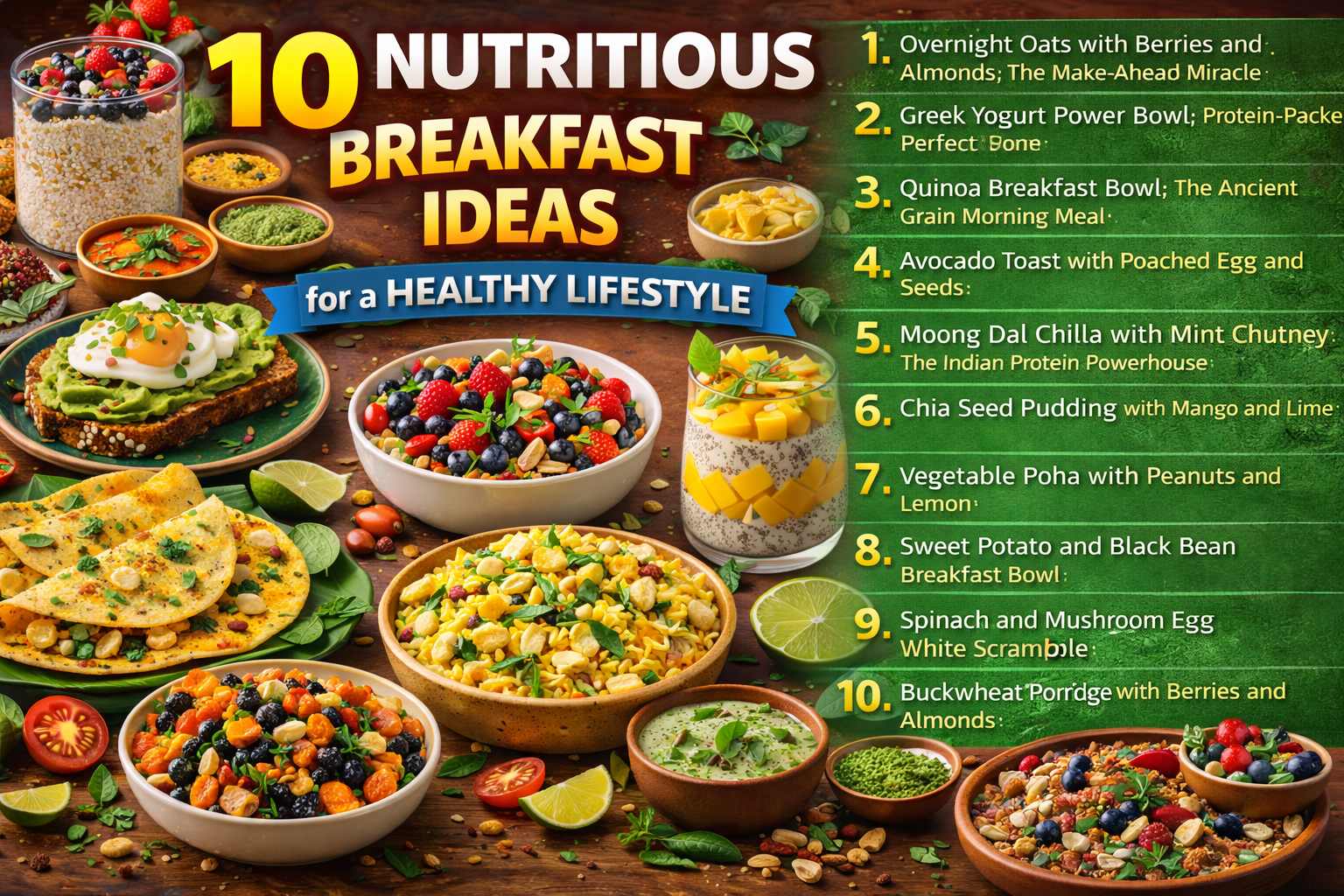
10 Nutritious Breakfast Ideas for a Healthy Lifestyle : The word “breakfast” literally means breaking the fast—the overnight period during which your body has been resting, repairing, and rejuvenating. The meal that breaks this fast sets the tone for everything that follows: your energy levels, your mental clarity, your food choices throughout the day, and ultimately, your long-term health. Yet in our rush to meet the demands of modern life, breakfast has become for many an afterthought—a hurried bowl of sugary cereal, a packaged pastry grabbed on the way out the door, or worse, nothing at all.
A nutritious breakfast is not about deprivation or complicated recipes. It is about understanding what your body needs after hours without food and providing those needs in ways that are delicious, satisfying, and sustainable. The ideal breakfast combines complex carbohydrates for steady energy, protein for satiety and muscle maintenance, healthy fats for nutrient absorption and hormone function, and fiber for digestive health and blood sugar regulation. It includes vitamins and minerals from whole food sources, and it tastes good enough to look forward to each morning.
The recipes that follow embody these principles. They draw on whole grains, lean proteins, healthy fats, and abundant fruits and vegetables. They range from five-minute options for busy mornings to slightly more elaborate weekend creations. Each has been designed to provide balanced nutrition without sacrificing flavor or satisfaction. Whether you are looking to manage your weight, improve your energy, support your athletic performance, or simply feel better in your body, these ten breakfast ideas will nourish you from the inside out.
Read More : 10 Quick Paneer Breakfast Recipes for Protein Boost, 8 Healthy Breakfast Recipes for Weight Loss Diet, 10 Traditional Indian Breakfasts You Can Make Fast , 10 High-Protein Breakfast Ideas to Start Your Day
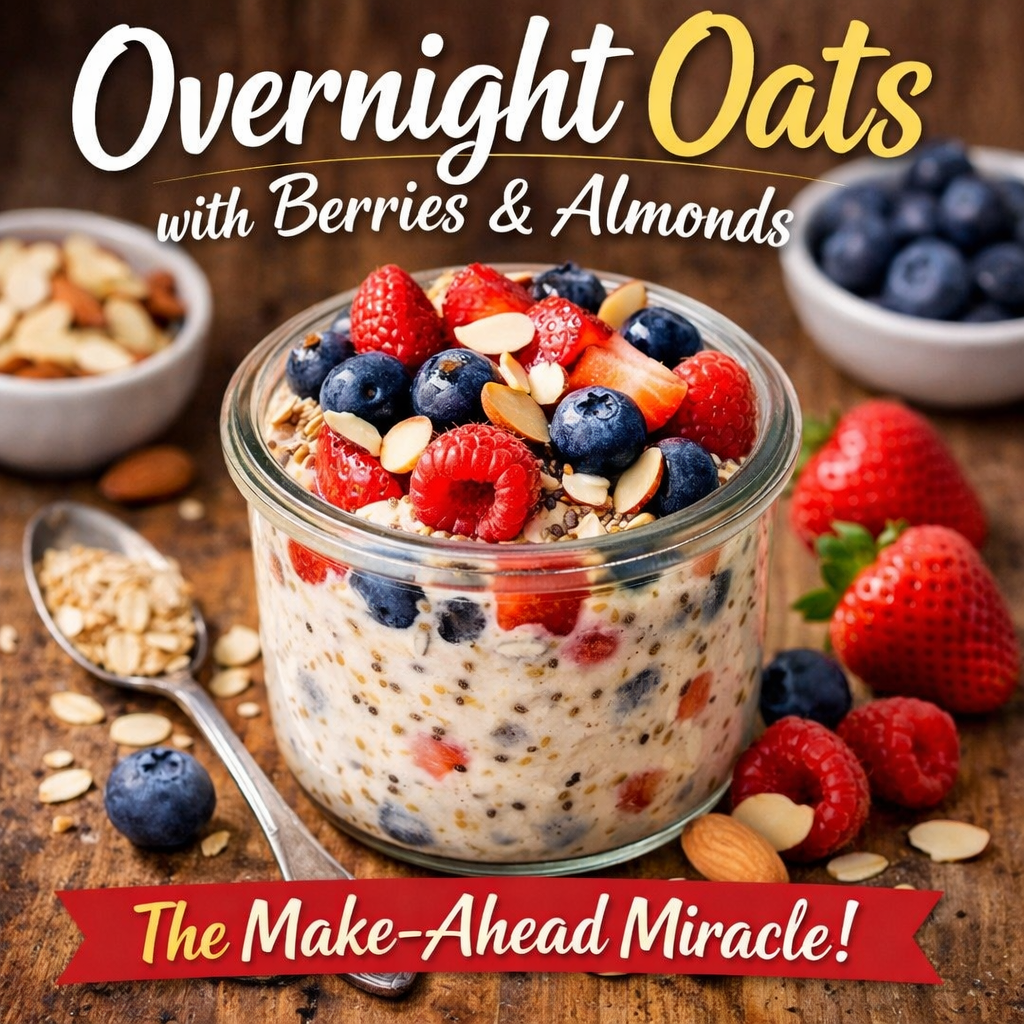
1. Overnight Oats with Berries and Almonds: The Make-Ahead Miracle
Overnight oats have earned their place in the healthy breakfast pantheon for good reason. This no-cook method requires minimal effort, delivers exceptional nutrition, and can be customized endlessly to suit your tastes and nutritional needs .
The foundation is simple: rolled oats, not the instant variety, which are more processed and have a higher glycemic impact. Rolled oats retain more of their original structure, providing complex carbohydrates that digest slowly and deliver steady energy throughout the morning. When soaked overnight, they soften without cooking, creating a creamy texture that many find preferable to cooked oatmeal .
To build a nutritionally complete breakfast, start with half a cup of rolled oats and half a cup of milk—dairy or plant-based, depending on your preferences. Add a tablespoon of chia seeds, which contribute protein, fiber, and omega-3 fatty acids while creating a pudding-like texture. A dollop of Greek yogurt adds additional protein and creaminess, though it’s optional .
The toppings transform this simple base into a truly nourishing meal. Fresh berries—blueberries, strawberries, raspberries—provide antioxidants, vitamins, and fiber with relatively little sugar. A handful of almonds adds healthy monounsaturated fats, vitamin E, and satisfying crunch. A drizzle of honey or maple syrup provides just enough sweetness without overwhelming the natural flavors .
Prepare everything the night before in a jar or container with a lid. In the morning, you have a ready-to-eat breakfast that requires no preparation, no dishes, and no thought. Grab it from the refrigerator and go, or sit and savor it with your morning coffee. Either way, you’re starting your day with a meal that provides sustained energy, supports brain function, and keeps you full until lunch.
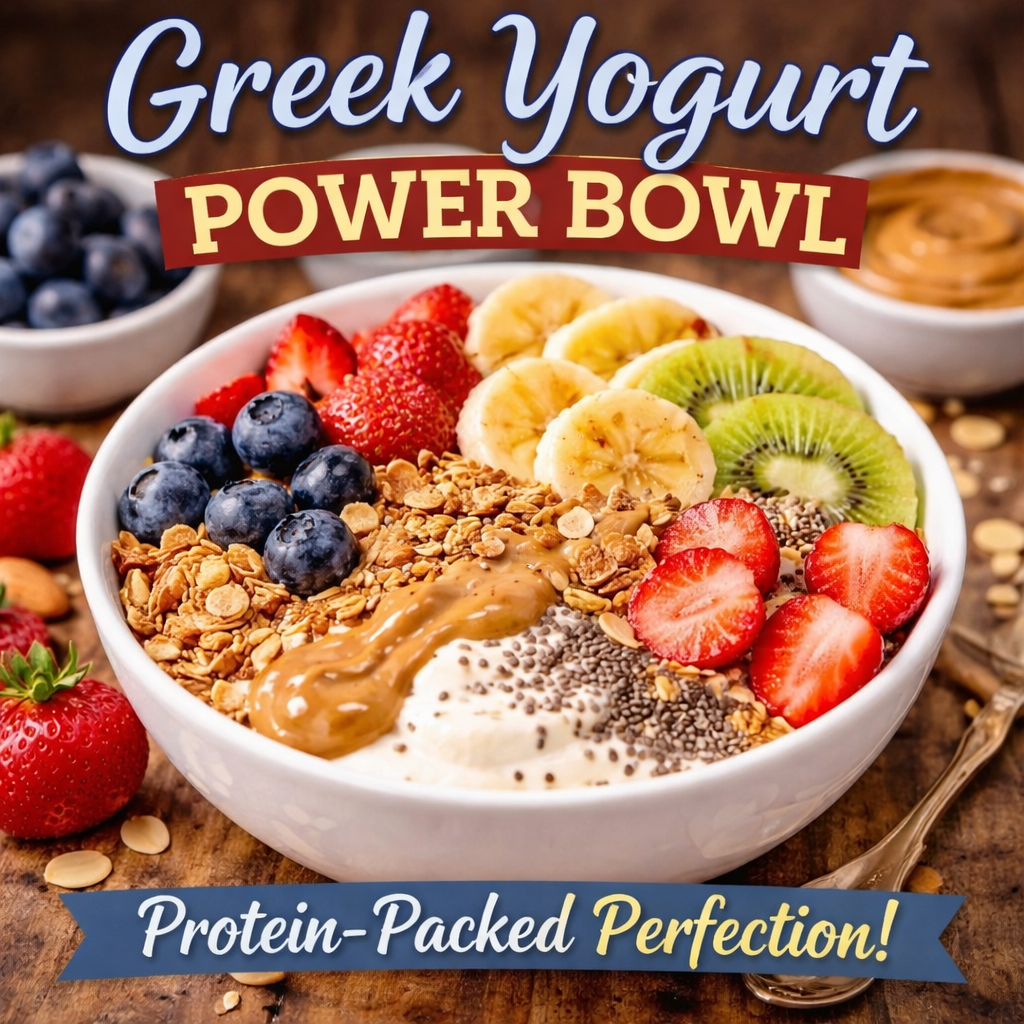
2. Greek Yogurt Power Bowl: Protein-Packed Perfection
Greek yogurt has become a staple of healthy eating for excellent reasons. Through a straining process that removes much of the whey, it becomes significantly thicker and more concentrated in protein than regular yogurt. A single serving can deliver fifteen to twenty grams of protein—enough to keep hunger at bay for hours while supporting muscle maintenance and repair .
The key to making Greek yogurt a complete breakfast lies in what you add to it. Plain, unsweetened Greek yogurt provides a blank canvas that allows you to control sweetness and customize flavors. Avoid pre-sweetened or flavored yogurts, which often contain surprising amounts of added sugar that undermine their nutritional benefits .
Start with a generous serving of Greek yogurt in a bowl. Top with a rainbow of fresh berries—blueberries for antioxidants, strawberries for vitamin C, raspberries for fiber. Add sliced banana for natural sweetness and potassium. Sprinkle with a combination of seeds—chia seeds for omega-3s, pumpkin seeds for magnesium and zinc, flaxseeds for additional fiber .
For crunch and healthy fats, add a small handful of chopped nuts—walnuts, almonds, or pecans all work beautifully. A drizzle of raw honey or pure maple syrup adds sweetness if needed, though the fruit often provides enough. A sprinkle of cinnamon adds warmth and may help regulate blood sugar .
This breakfast comes together in less than five minutes and delivers an exceptional nutritional profile: high-quality protein, healthy fats, fiber, antioxidants, vitamins, and minerals. It’s satisfying enough for the hungriest morning yet light enough to not weigh you down. For variety, try different fruit combinations—mango and lime, apple and cinnamon, peach and almond—or experiment with different seed and nut combinations.

3. Quinoa Breakfast Bowl: The Ancient Grain Morning Meal
Quinoa has rightfully earned its reputation as a superfood, but it remains underutilized in breakfast contexts. This ancient grain, technically a seed, provides complete protein—containing all nine essential amino acids—along with fiber, iron, magnesium, and complex carbohydrates that digest slowly for sustained energy .
Preparing quinoa for breakfast is straightforward and can be done in batches to streamline multiple mornings. Cook quinoa in water or milk according to package directions—typically one part quinoa to two parts liquid. For added flavor without calories, add a cinnamon stick to the cooking liquid or a pinch of cardamom. The cooked quinoa can be refrigerated for up to five days, making morning assembly a matter of reheating and topping .
To assemble the breakfast bowl, reheat a serving of cooked quinoa, adding a splash of milk to restore creaminess if needed. Top with fresh berries, sliced banana, or diced apple. Add a spoonful of nut butter for protein and healthy fats—almond butter pairs particularly well with quinoa’s nutty flavor. Sprinkle with chopped nuts and a drizzle of honey or maple syrup .
For those who prefer savory breakfasts, quinoa adapts beautifully to savory preparations. Skip the sweet toppings and instead top with a poached egg, sautéed vegetables, and a sprinkle of nutritional yeast or cheese. The same quinoa base can become either a sweet or savory breakfast depending on your mood and preferences .
This breakfast provides the nutritional foundation for a productive morning: steady energy from complex carbohydrates, sustained fullness from protein and fiber, and a range of micronutrients that support overall health. It’s particularly valuable for athletes or anyone with high physical demands, as the complete protein supports muscle repair and recovery.
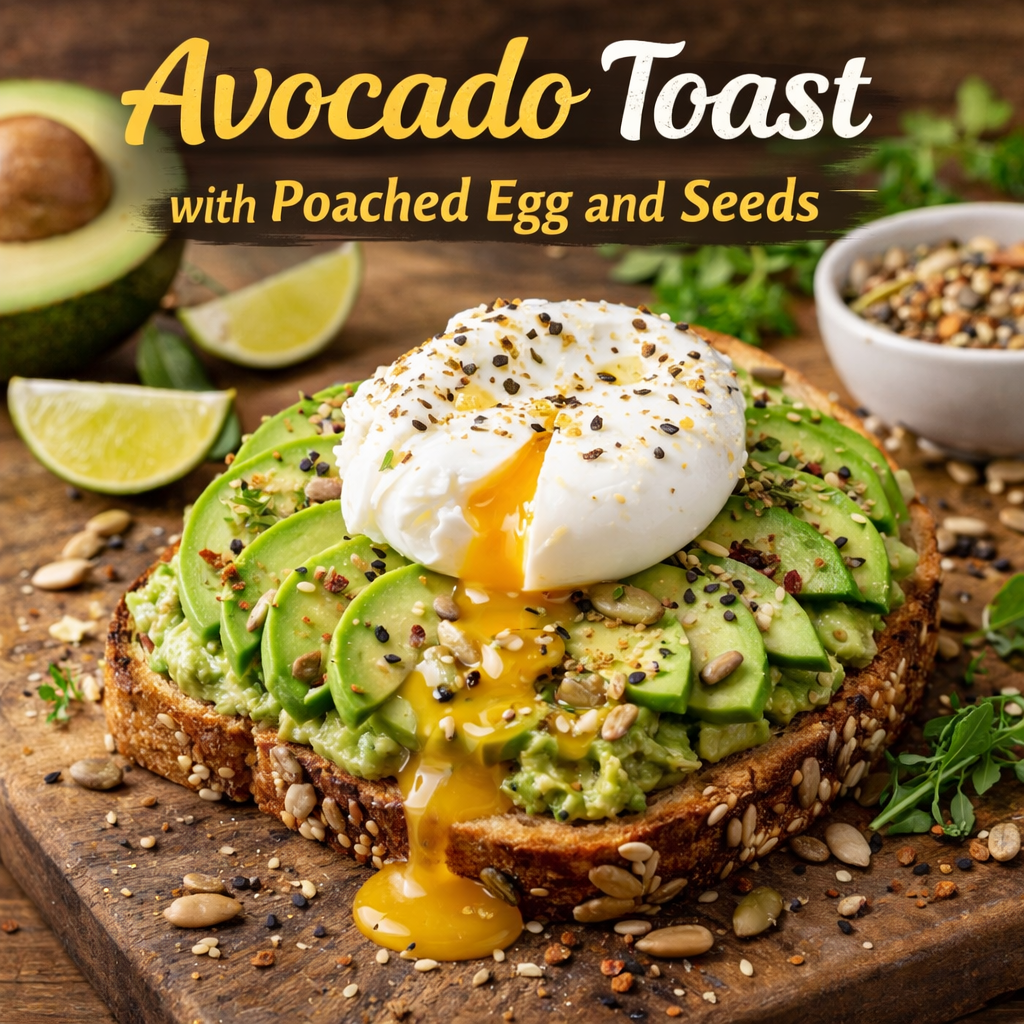
4. Avocado Toast with Poached Egg and Seeds
Avocado toast has become something of a cultural phenomenon, and while it has been subject to culinary clichés, its nutritional credentials are genuinely impressive. This combination delivers healthy fats, protein, fiber, and complex carbohydrates in a meal that satisfies deeply and tastes indulgent .
The foundation is good bread—whole grain, sourdough, or sprouted grain bread provide more nutrients and fiber than white bread and digest more slowly, providing steadier energy. Toast it until deeply golden and crisp; the texture contrast with the creamy avocado is part of the pleasure .
While the bread toasts, prepare the avocado. Half an avocado provides the perfect portion—enough to be satisfying without excessive calories. Mash it lightly with a fork, leaving some texture. Add a squeeze of fresh lime or lemon juice—this not only adds brightness but also helps prevent browning. Season with salt, pepper, and perhaps a pinch of red pepper flakes for heat .
Now prepare the poached egg. Bring a small pot of water to a gentle simmer and add a splash of vinegar—this helps the egg white coagulate quickly. Create a gentle whirlpool in the water and crack a fresh egg into the center. Cook for about three minutes for a runny yolk, which will create a sauce that coats the avocado and bread. Remove with a slotted spoon and drain briefly on paper towels .
Spread the mashed avocado on the toast, top with the poached egg, and sprinkle with a combination of seeds—hemp seeds, chia seeds, or sesame seeds all work. The seeds add protein, healthy fats, and a pleasant crunch. Finish with additional black pepper and perhaps a sprinkle of flaky salt .
This breakfast provides monounsaturated fats that support heart health and hormone function, protein that keeps you full, fiber that aids digestion, and complex carbohydrates that provide energy. The combination is satisfying enough for a weekend breakfast yet quick enough for a weekday if you practice your poaching technique.
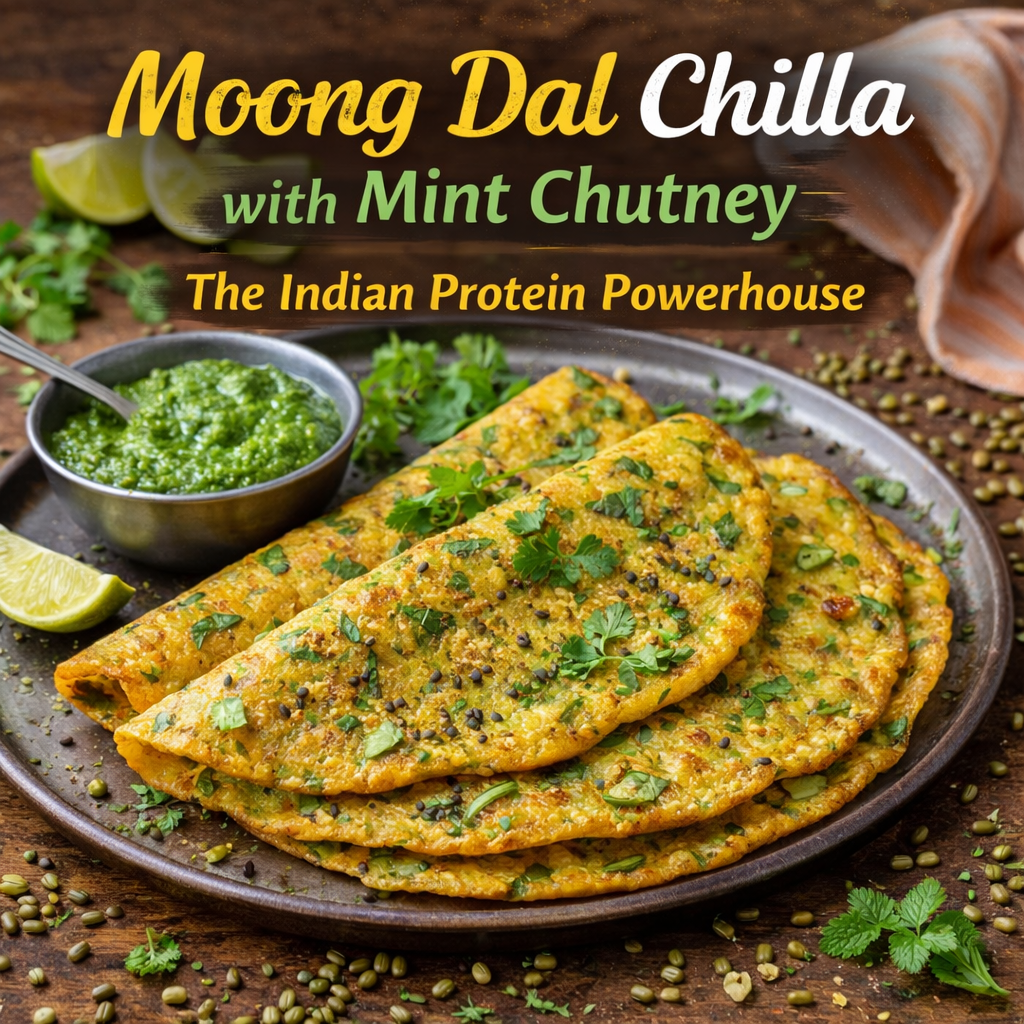
5. Moong Dal Chilla with Mint Chutney: The Indian Protein Powerhouse
Drawing on the rich traditions of Indian cuisine, moong dal chilla offers a savory, deeply satisfying breakfast that is naturally gluten-free and exceptionally high in plant-based protein. These savory lentil crepes have sustained generations and remain one of the healthiest breakfast options available .
The preparation requires a small amount of foresight but minimal morning effort. The night before, rinse half a cup of split yellow moong dal thoroughly and soak it in water. In the morning, drain the soaked dal and transfer to a blender. Add a small piece of ginger, a green chili, a pinch of salt, and just enough water to facilitate blending. Grind to a smooth, fluffy batter—it should be of pouring consistency, similar to pancake batter .
Pour the batter into a bowl and stir in finely chopped onions, tomatoes, fresh coriander, and a sprinkle of cumin seeds. For additional vegetables, grated carrots or finely chopped spinach work beautifully, adding nutrients and color without altering the flavor significantly .
Heat a non-stick pan and grease it lightly with oil. Pour a ladleful of batter and spread it gently into a circle. Cook until the bottom is golden and the edges begin to lift, then flip carefully and cook the other side. These chillas are more delicate than those made with wheat flour, so a thin, flexible spatula helps .
Serve immediately with mint chutney, which adds freshness and a cooling contrast to the spiced chilla. The combination of protein from the moong dal, fiber from the vegetables, and the digestive benefits of ginger and cumin creates a breakfast that fuels your body while supporting digestive health. This is traditional wisdom validated by modern nutrition science—food that heals as it nourishes.
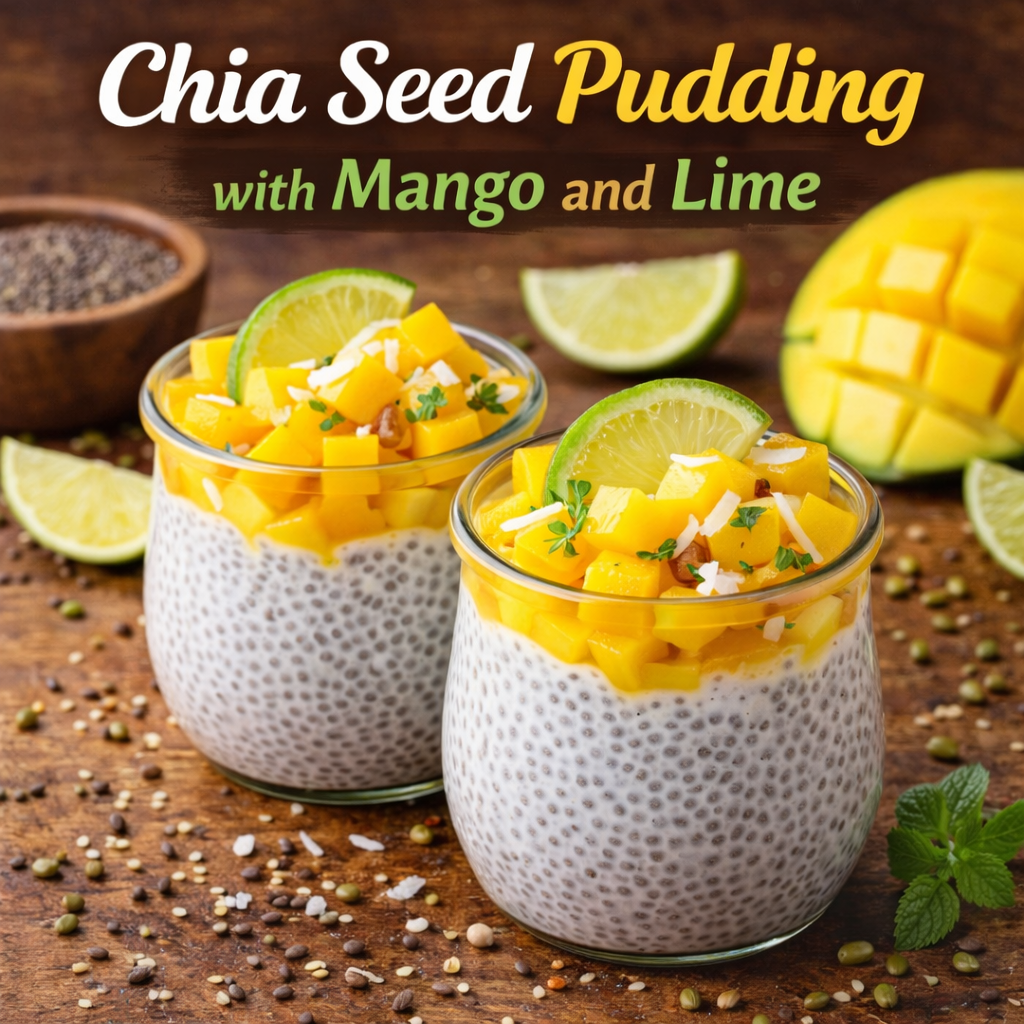
6. Chia Seed Pudding with Mango and Lime
Chia seeds have rightfully earned their place in the healthy eating pantheon. These tiny seeds are capable of absorbing up to twelve times their weight in water, forming a gel-like substance in the stomach that significantly slows digestion and prolongs feelings of fullness. They are rich in omega-3 fatty acids, which have anti-inflammatory properties, and provide a surprising amount of protein and fiber for their size .
Creating a chia pudding is almost absurdly simple, yet the result feels like a dessert-worthy treat. In a jar or bowl, combine three tablespoons of chia seeds with one cup of unsweetened almond milk or coconut milk. Add a drop of vanilla extract and a natural sweetener if desired—mashed ripe banana, a few drops of stevia, or a teaspoon of maple syrup all work. Stir vigorously, wait five minutes, and stir again to prevent clumping. This second stirring is crucial—chia seeds have a tendency to clump if not thoroughly distributed, and the brief wait allows them to begin absorbing liquid, making the second stirring more effective .
Refrigerate overnight or for at least four hours. In the morning, the mixture will have transformed into a thick, pudding-like consistency. Top with fresh mango cubes—mango provides vitamin A, vitamin C, and natural sweetness—and a generous squeeze of fresh lime juice. The lime cuts through the richness of the chia seeds and brightens the entire dish. A sprinkle of unsweetened coconut flakes adds texture and a tropical flair .
This breakfast tastes indulgent and sweet, yet it contains no added sugars if you use ripe mango and relies on the natural sweetness of fruit. The combination of fiber, protein, and healthy fats provides sustained energy that will carry you through the most demanding morning. For variety, experiment with different fruit and flavor combinations—berry and vanilla, banana and cinnamon, pineapple and coconut.

7. Vegetable Poha with Peanuts and Lemon: The Light Yet Satisfying Classic
Poha, or flattened rice, is perhaps the ultimate quick, nutritious breakfast in the Indian culinary tradition. It requires minimal cooking, uses ingredients that keep indefinitely in your pantry, and delivers a balanced meal that is light yet satisfying .
The key ingredient is thick poha, which can be found in any Indian grocery store. A single bag costs very little and provides multiple breakfasts. To prepare, place half a cup of poha in a strainer and rinse it briefly under running water—just until it softens, which takes about thirty seconds. Then set it aside to drain completely. Over-rinsing leads to mushy poha, so this step requires a light touch .
While the poha drains, heat a small pan with a tablespoon of oil. Add half a teaspoon of mustard seeds and wait for them to splutter. Add a few curry leaves if you have them—they’re worth seeking out for the authentic flavor they provide. Add a chopped green chili if you like heat, and a handful of peanuts. Sauté until the peanuts begin to color .
Add finely chopped onion and cook until translucent. Now add any vegetables you have—finely chopped carrot, peas, bell peppers, or even leftover cooked vegetables. Sauté for two minutes. Add a pinch of turmeric powder for color and its anti-inflammatory properties, along with salt to taste .
Finally, add the soaked and drained poha to the pan. Stir gently to combine, cover the pan, and let it steam on low heat for two to three minutes. Turn off the heat and let it rest for another minute. Finish with fresh coriander and a generous squeeze of lemon juice .
This breakfast provides complex carbohydrates from the poha, protein and healthy fats from the peanuts, fiber and nutrients from the vegetables, and the digestive benefits of turmeric and curry leaves. It’s light enough to not weigh you down yet satisfying enough to keep you full until lunch. Total time: about twelve minutes, most of which is passive.
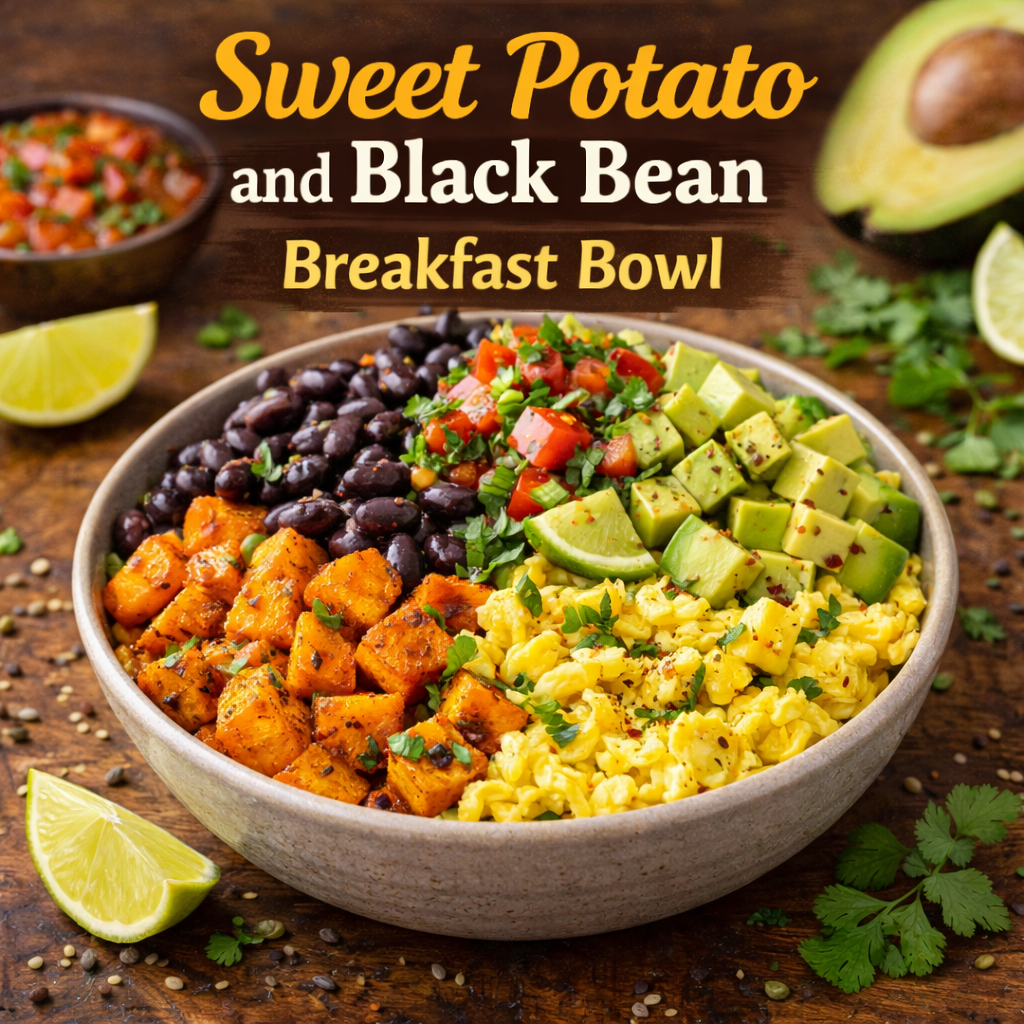
8. Sweet Potato and Black Bean Breakfast Bowl
Sweet potatoes and black beans might seem an unlikely breakfast combination, but they create a savory breakfast bowl that is nutritionally exceptional and deeply satisfying. This is breakfast for those who prefer savory morning meals and want something substantial enough to fuel a morning of physical activity .
The components can be prepared in advance, making morning assembly quick. Roast sweet potatoes by cubing them, tossing with olive oil, salt, and spices—cumin, smoked paprika, and chili powder work beautifully—and roasting at 200°C (400°F) for twenty-five to thirty minutes until tender and caramelized at the edges. Canned black beans, rinsed and drained, provide protein and fiber with minimal effort .
In the morning, reheat a portion of roasted sweet potatoes in a pan or microwave. Warm the black beans similarly. While they heat, prepare any fresh components—sliced avocado, fresh coriander, a squeeze of lime .
Assemble the bowl with sweet potatoes and black beans as the base. Top with sliced avocado for healthy fats, a dollop of Greek yogurt or sour cream for creaminess and protein, and a sprinkle of fresh coriander. A squeeze of lime juice brightens everything. For heat, add sliced jalapeño or a drizzle of hot sauce .
This breakfast provides complex carbohydrates from the sweet potatoes, protein and fiber from the black beans, healthy fats from the avocado, and a range of vitamins and minerals. It’s substantial enough for a post-workout breakfast or a day of physical activity, yet balanced enough for any morning. The combination of sweet, savory, spicy, and creamy elements keeps every bite interesting.
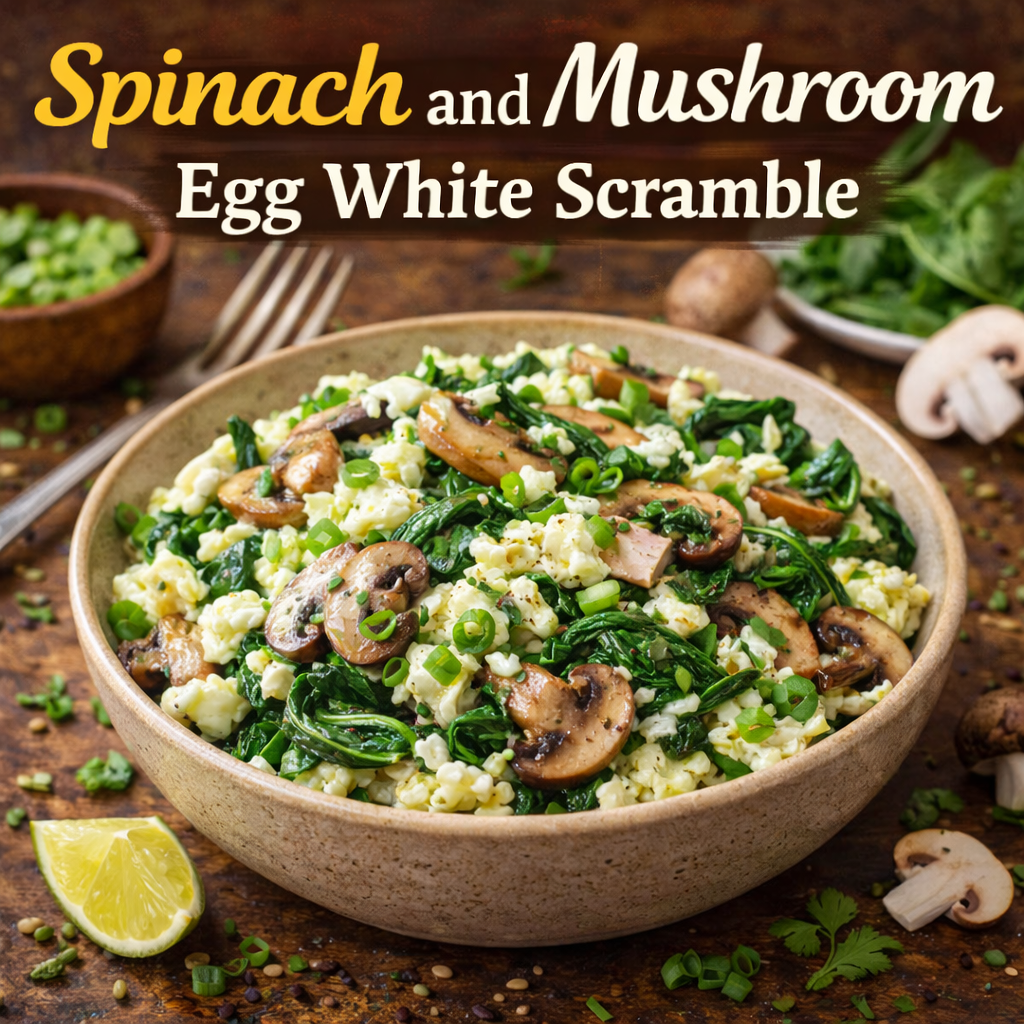
9. Spinach and Mushroom Egg White Scramble
For those focused on maximizing protein while minimizing calories, an egg white scramble loaded with vegetables delivers exceptional nutrition in a quick, satisfying package. This breakfast is particularly popular among athletes and those in active training, but its benefits extend to anyone seeking a lean, nutrient-dense start to the day .
The key to making egg whites satisfying lies in the vegetables and seasonings. Egg whites alone can be bland, but when paired with flavorful vegetables and proper seasoning, they become a delicious canvas for nutrition. Begin by separating four eggs, reserving the yolks for another use, or use liquid egg whites from a carton for convenience .
Heat a non-stick pan with a small amount of olive oil. Add sliced mushrooms and cook until they release their moisture and begin to brown—this caramelization adds depth of flavor that transforms the dish. Add a generous handful of fresh spinach and cook until wilted. The spinach reduces dramatically, so be generous .
Season the vegetables with salt, pepper, and perhaps a pinch of red pepper flakes or dried herbs. Pour the egg whites over the vegetables and cook, stirring gently with a spatula, until they are just set but still moist. Avoid overcooking, which makes egg whites rubbery .
Serve immediately, perhaps with a slice of whole grain toast on the side. The vegetables provide volume, fiber, and nutrients, while the egg whites deliver pure protein without the fat and calories of whole eggs. This breakfast is particularly effective for those in calorie deficit who need to preserve muscle mass while losing weight. For variety, experiment with different vegetable combinations—bell peppers and onions, zucchini and tomatoes, asparagus and peas.
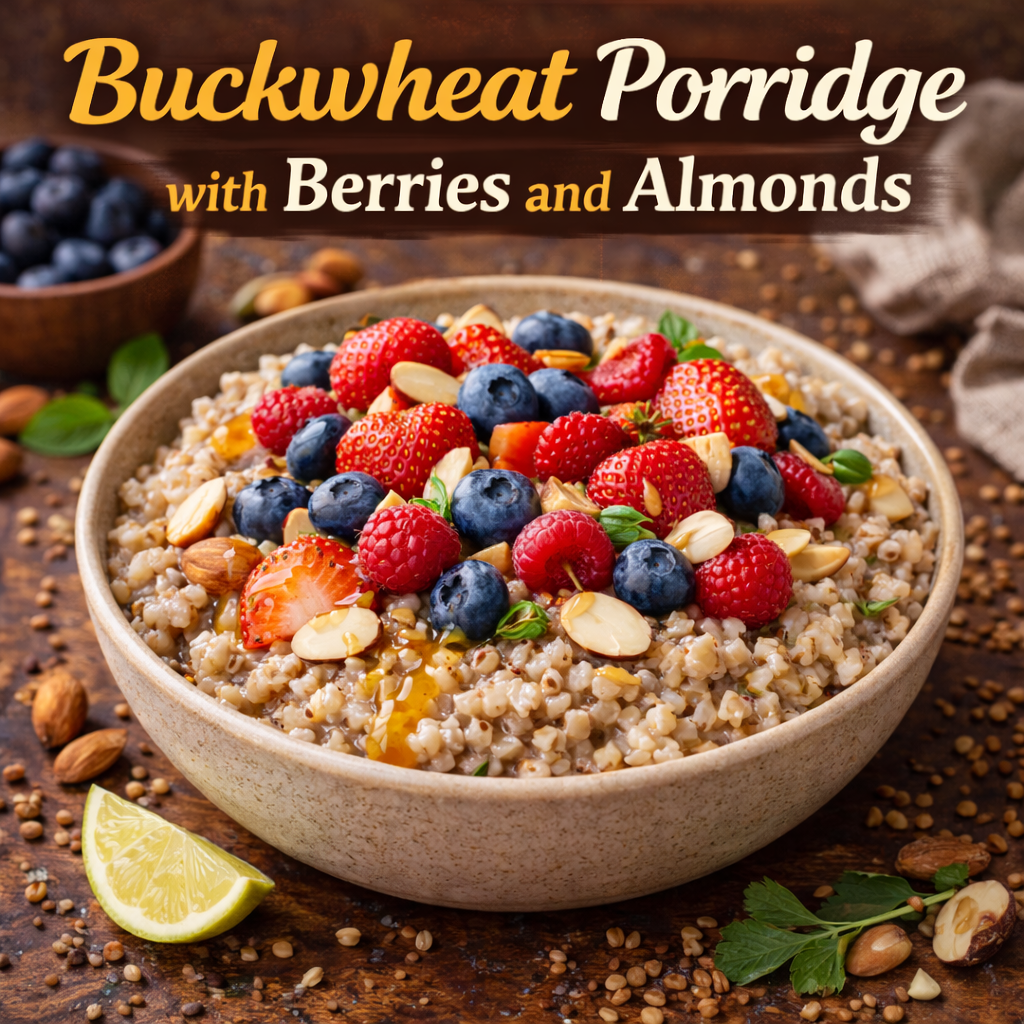
10. Buckwheat Porridge with Berries and Almonds
Buckwheat, despite its name, is not a type of wheat and is naturally gluten-free. This pseudocereal has been cultivated for thousands of years and remains a staple in many traditional cuisines. Its nutritional profile is impressive: it provides high-quality protein, complex carbohydrates, fiber, and a range of minerals including magnesium, copper, and manganese .
Buckwheat groats can be cooked similarly to oats, creating a hearty porridge that is more substantial and nuttier in flavor than oatmeal. To prepare, combine half a cup of buckwheat groats with one cup of water or milk in a small pot. Bring to a boil, then reduce heat and simmer for about fifteen minutes, until the groats are tender and have absorbed most of the liquid .
While the porridge cooks, prepare your toppings. Fresh berries provide antioxidants and natural sweetness. Sliced almonds add healthy fats, protein, and crunch. A drizzle of maple syrup or honey adds sweetness if desired. A sprinkle of cinnamon adds warmth without calories .
When the porridge is done, transfer it to a bowl and top with the berries, almonds, and any other additions you like. For extra creaminess, stir in a splash of milk or a dollop of yogurt. The result is a warm, comforting breakfast that provides sustained energy, supports heart health, and keeps you full for hours .
Buckwheat is also available in a toasted form known as kasha, which has an even nuttier flavor. Either works for this porridge, though cooking times may vary. This breakfast is particularly valuable for those seeking to diversify their grain intake beyond the usual oats and wheat, introducing new nutrients and flavors to their morning routine.
| Breakfast Idea | Key Ingredients | Prep Time | Key Nutrients | Why It’s Nutritious |
|---|---|---|---|---|
| Overnight Oats with Berries | Rolled oats, berries, almonds, chia seeds | 5 mins (night before) | Fiber, protein, omega-3s, antioxidants | Slow-release energy; make-ahead convenience |
| Greek Yogurt Power Bowl | Greek yogurt, berries, seeds, nuts | 5 mins | Protein, calcium, healthy fats, fiber | High protein keeps you full; customizable |
| Quinoa Breakfast Bowl | Quinoa, berries, nuts, honey | 15 mins | Complete protein, fiber, iron, magnesium | All essential amino acids; sustained energy |
| Avocado Toast with Egg | Whole grain bread, avocado, egg, seeds | 10 mins | Healthy fats, protein, fiber, vitamins | Balanced meal; satisfying and delicious |
| Moong Dal Chilla | Moong dal, vegetables, spices, mint chutney | 15 mins (soaked overnight) | Plant protein, fiber, iron, digestive spices | Traditional wisdom; gluten-free |
| Chia Seed Pudding | Chia seeds, almond milk, mango, lime | 5 mins (night before) | Omega-3s, fiber, protein, calcium | Forms gel in stomach; prolongs fullness |
| Vegetable Poha | Poha, peanuts, vegetables, spices | 12 mins | Complex carbs, protein, fiber, antioxidants | Light yet satisfying; quick cooking |
| Sweet Potato & Black Bean Bowl | Sweet potatoes, black beans, avocado | 20 mins | Complex carbs, protein, fiber, healthy fats | Substantial; perfect for active mornings |
| Spinach & Mushroom Egg White Scramble | Egg whites, spinach, mushrooms | 10 mins | Lean protein, iron, antioxidants, vitamins | High protein; low calorie; nutrient-dense |
| Buckwheat Porridge | Buckwheat groats, berries, almonds | 20 mins | Complete protein, fiber, magnesium, copper | Gluten-free; nutty flavor; mineral-rich |
The Principles of Nutritious Breakfast
Beyond specific recipes, understanding the principles that make a breakfast nutritious empowers you to create your own healthy morning meals. The first principle is protein adequacy. Research consistently shows that a protein-rich breakfast reduces hunger throughout the day and decreases the likelihood of unhealthy snacking . Aim for at least fifteen to twenty grams of protein at breakfast, whether from eggs, yogurt, dal, quinoa, or other sources .
The second principle is fiber inclusion. Fiber slows digestion, stabilizes blood sugar, and supports digestive health. Whole grains, fruits, vegetables, nuts, and seeds all contribute fiber. A breakfast that includes multiple fiber sources—oats plus berries plus nuts, for example—provides greater benefits than any single source alone .
The third principle is healthy fat incorporation. Fats are essential for nutrient absorption, hormone production, and brain function. They also contribute to satiety, helping you feel full longer. Avocado, nuts, seeds, and cooking oils like olive oil and ghee all provide healthy fats that support overall health .
The fourth principle is minimal added sugar. Many commercial breakfast foods are laden with added sugars that spike blood sugar and contribute to energy crashes. By choosing whole foods and adding sweetness through fruit rather than refined sugar, you avoid these negative effects while still satisfying your sweet tooth .
Building Your Nutritious Breakfast Practice
Incorporating these principles into your daily life requires not just recipes but practice and intention. Start by identifying one or two recipes that appeal to you and that fit your morning schedule. Make them repeatedly until they become habitual—until you can prepare them without thinking, until the ingredients are always in your kitchen, until the preparation time becomes predictable .
Gradually expand your repertoire, adding new recipes as you become comfortable with existing ones. Pay attention to how different breakfasts make you feel—your energy levels, your hunger patterns, your mental clarity. Use this feedback to refine your choices, gravitating toward the breakfasts that make you feel best .
Remember that consistency matters more than perfection. A moderately nutritious breakfast that you eat every day is more valuable than a perfectly nutritious breakfast that you only manage occasionally. Find what works for your schedule, your tastes, and your body, and make it a non-negotiable part of your morning routine.
Conclusion : 10 Nutritious Breakfast Ideas for a Healthy Lifestyle
The word breakfast literally means breaking the fast—the overnight period during which your body has been resting and repairing. What you choose to break that fast with matters enormously for your energy, your focus, your mood, and your long-term health. These ten nutritious breakfast ideas provide a foundation for making choices that nourish rather than deplete, that satisfy rather than leave you wanting, that support your health rather than undermining it.
From the make-ahead convenience of overnight oats to the savory satisfaction of moong dal chilla, from the protein punch of Greek yogurt to the complete nutrition of quinoa, these breakfasts demonstrate that healthy eating need not be complicated, time-consuming, or bland. They draw on whole foods, traditional wisdom, and modern nutritional science to create meals that taste as good as they make you feel.
Start tomorrow. Choose one recipe, gather the ingredients tonight, and make it in the morning. Notice how different your day feels when it begins with food that truly nourishes you. Then try another, and another, building a repertoire of breakfasts that support your health and delight your taste buds. Your body will thank you, your mind will thank you, and your days will be better for it. That is the power of a nutritious breakfast—it transforms not just your morning, but everything that follows.
6 thoughts on “10 Nutritious Breakfast Ideas for a Healthy Lifestyle”